Operator Training Simulation - Volvo Trucks
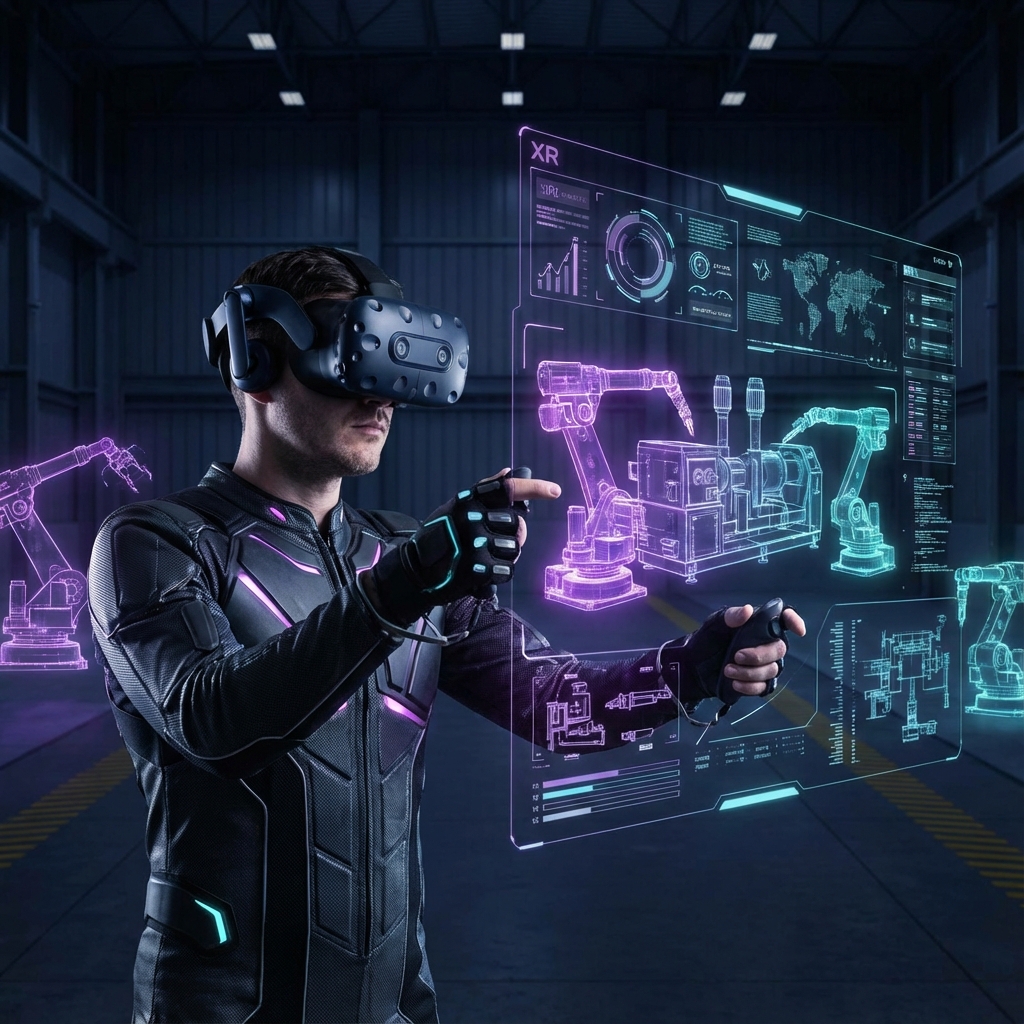
This operator training simulation at Volvo Trucks reduced training time and improved safety by enabling assembly workers to learn complex procedures in a risk-free virtual environment before performing them in production. Built on CARLA/Unreal Engine, the platform recreated assembly workstations with accurate geometry and procedural sequences.
⚡ Challenges
- •Procedural accuracy validation
- •Engagement in repetitive training
- •Assessment objectivity
✓ Outcomes
- ✓40% reduction in training duration
- ✓Reduced strain injuries in new operators
- ✓Extended to 6 assembly stations
📖 Full Details
This operator training simulation at Volvo Trucks reduced training time and improved safety by enabling assembly workers to learn complex procedures in a risk-free virtual environment before performing them in production. Built on CARLA/Unreal Engine, the platform recreated assembly workstations with accurate geometry and procedural sequences.
The training environment replicates specific assembly stations from Volvo Trucks production facilities. Workpiece geometry, tool locations, and part presentation areas match physical stations precisely. Lighting conditions simulate factory floor illumination, preparing trainees for actual visual conditions.
GUided procedures lead trainees through assembly sequences step-by-step. Visual highlights indicate where to grasp, where to fasten, and sequences in which operations must occur. Audio cues provide feedback on correct/incorrect actions without requiring constant trainer supervision.
Ergonomic guidance embedded in training highlights proper postures, recommended lift techniques, and fatigue-aware pacing. Trainees learn not just what to do, but how to do it sustainably over an 8-hour shift. This embedded ergonomics training contributed to reduced strain injury rates among newly trained operators.
Assessment modes test trainee competence after instruction phases. Time-to-completion, error rates, and sequence accuracy are tracked, providing objective metrics for training effectiveness. Trainees must achieve threshold performance in simulation before assignment to physical production lines.
The platform was developed during at Virtual Manufacturing AB consulting engagement. Initial deployment covered three high-complexity assembly stations. Results demonstrated 40% reduction in training duration with equivalent competency outcomes, justifying expansion to additional stations.
Virtual training proved particularly valuable for introducing engineering changes—operators could practice modified procedures before implementation disrupted production.