Robotics Software Architecture Toolkit
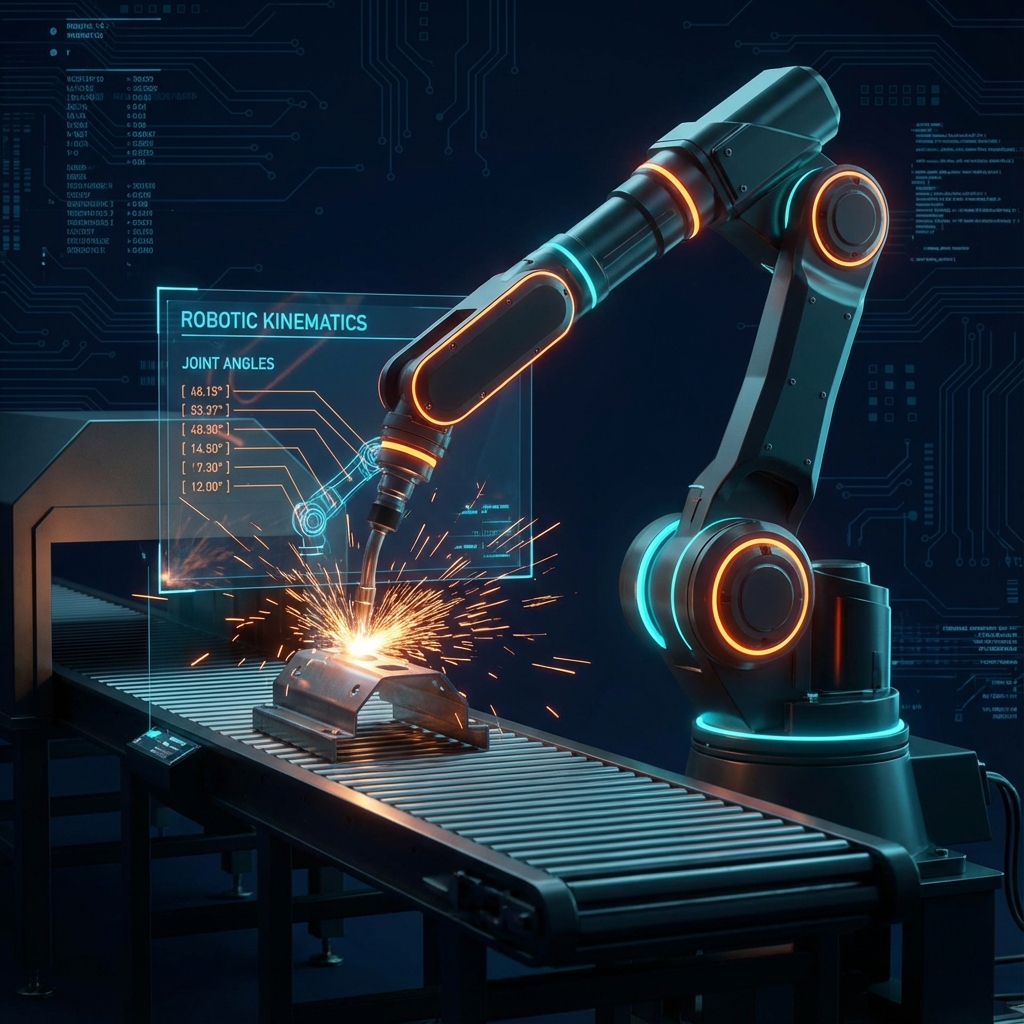
This robotics software architecture toolkit provides a paradigm shift from traditional fixed-line manufacturing to flexible, reconfigurable production systems. Using agent-based principles, the architecture enables any product to be manufactured in any factory cell—dynamically allocating resources based on availability, capability, and efficiency.
⚡ Challenges
- •Real-time scheduling optimization
- •Agent negotiation deadlock prevention
- •Legacy system integration
✓ Outcomes
- ✓30% improvement in resource utilization
- ✓Validated in simulation
- ✓Pilot implementation planned
📖 Full Details
This robotics software architecture toolkit provides a paradigm shift from traditional fixed-line manufacturing to flexible, reconfigurable production systems. Using agent-based principles, the architecture enables any product to be manufactured in any factory cell—dynamically allocating resources based on availability, capability, and efficiency.
The architecture decomposes the manufacturing system into autonomous agents: Product Agents representing work items with their required operations, Resource Agents representing robots and machines with their capabilities, and Orchestrator Agents managing allocation and scheduling. Inter-agent communication uses a standardized message protocol implemented over ROS topics and MQTT for cross-system integration.
Resource Agents publish their capabilities (welding, assembly, inspection) and current status. When Product Agents enter the system, they negotiate with available Resource Agents, considering operation requirements, transport distances, and current queue depths. This decentralized approach enables organic load balancing and graceful degradation when resources fail.
Dynamic skill-based assignment means robots aren't tied to specific products—a welding robot can handle any product requiring welding operations, automatically loading appropriate programs from a central library. Program templates with parameterized geometry adapt to product variants without manual programming.
Plug-and-play cell configuration allows new resources to join the system by advertising their capabilities, automatically becoming available for allocation. Similarly, resources can be removed for maintenance without system-wide reconfiguration.
The toolkit has been validated in simulation using Gazebo and is progressing toward pilot implementation. Early results demonstrate 30% improvement in resource utilization compared to traditional fixed-line approaches.