VR Ergonomic Analysis - Volvo Cars
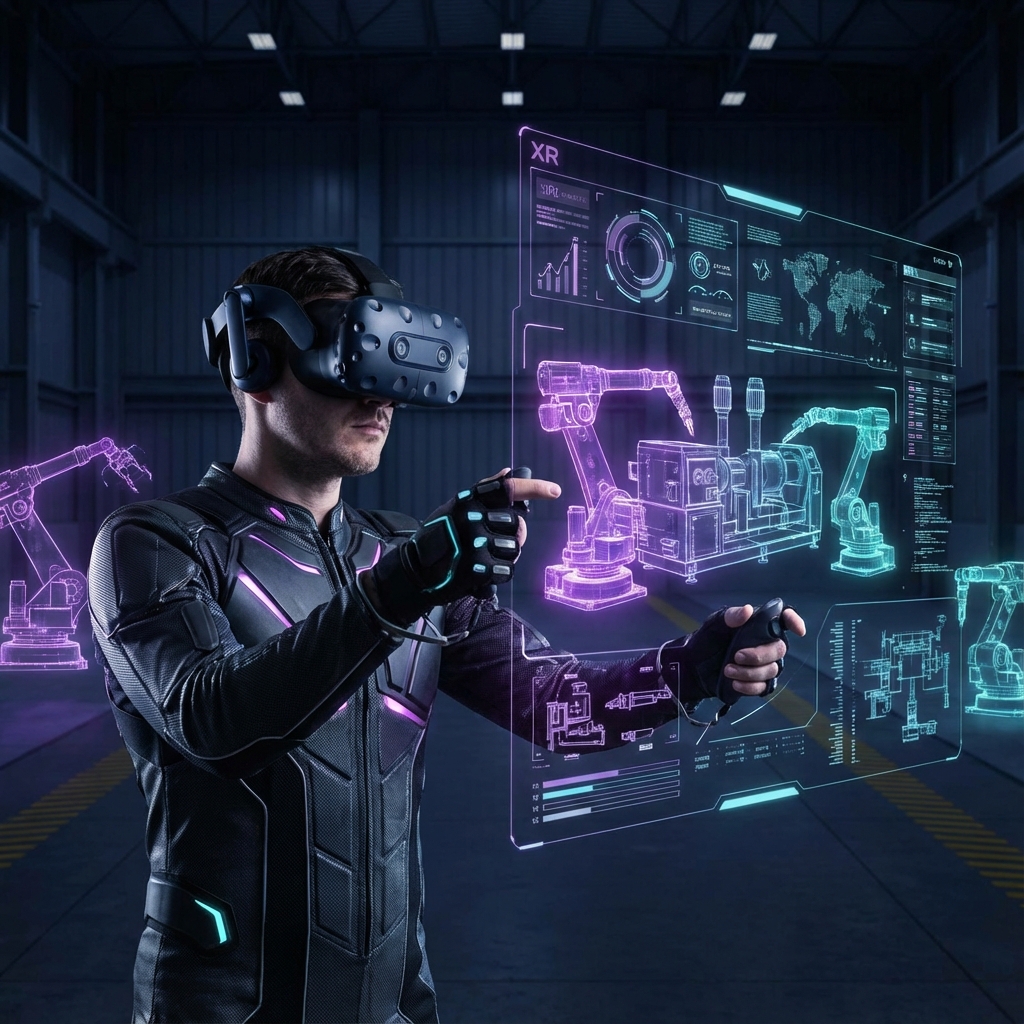
This VR-based ergonomic analysis system enabled Volvo Cars to evaluate operator comfort and safety for production line tasks before physical line construction. Using accurate digital twins of assembly stations, ergonomic specialists assessed postures, reach envelopes, and potential injury risks in an immersive environment that replicated actual working conditions.
⚡ Challenges
- •CAD-to-VR geometry conversion
- •Multi-user VR synchronization
- •Accurate human proportion representation
✓ Outcomes
- ✓25% reduction in injury risk scores
- ✓3 production line designs validated
- ✓Adopted as standard practice
📖 Full Details
This VR-based ergonomic analysis system enabled Volvo Cars to evaluate operator comfort and safety for production line tasks before physical line construction. Using accurate digital twins of assembly stations, ergonomic specialists assessed postures, reach envelopes, and potential injury risks in an immersive environment that replicated actual working conditions.
The simulation environment was built in Unreal Engine 4, importing CAD geometry from Volvo's engineering systems. Assembly stations were reconstructed with precise dimensions, including conveyors, parts presentation racks, tools, and the vehicle bodies themselves. Lighting matched planned production floor conditions.
Ergonomic assessment focused on loading and unloading operations—tasks where operators repeatedly reach into vehicle bodies to install or retrieve components. VR enabled analysts to physically perform the motions, experiencing reach distances, view angles, and awkward postures that diagrams cannot convey.
The multi-user collaboration feature allowed ergonomic specialists, production engineers, and health & safety officers to meet in the virtual station simultaneously, discussing concerns while standing at the simulated workstation. Annotations persisted, creating documentation of identified issues and proposed solutions.
Integration with VRED enabled high-fidelity visualization for executive presentations, showcasing both the ergonomic analysis and final production aesthetics. The same digital assets served multiple purposes, maximizing return on modeling investment.
Recommendations from VR sessions informed equipment placement adjustments that reduced projected injury risk scores by 25% compared to initial designs—changes implemented before any physical construction began.